
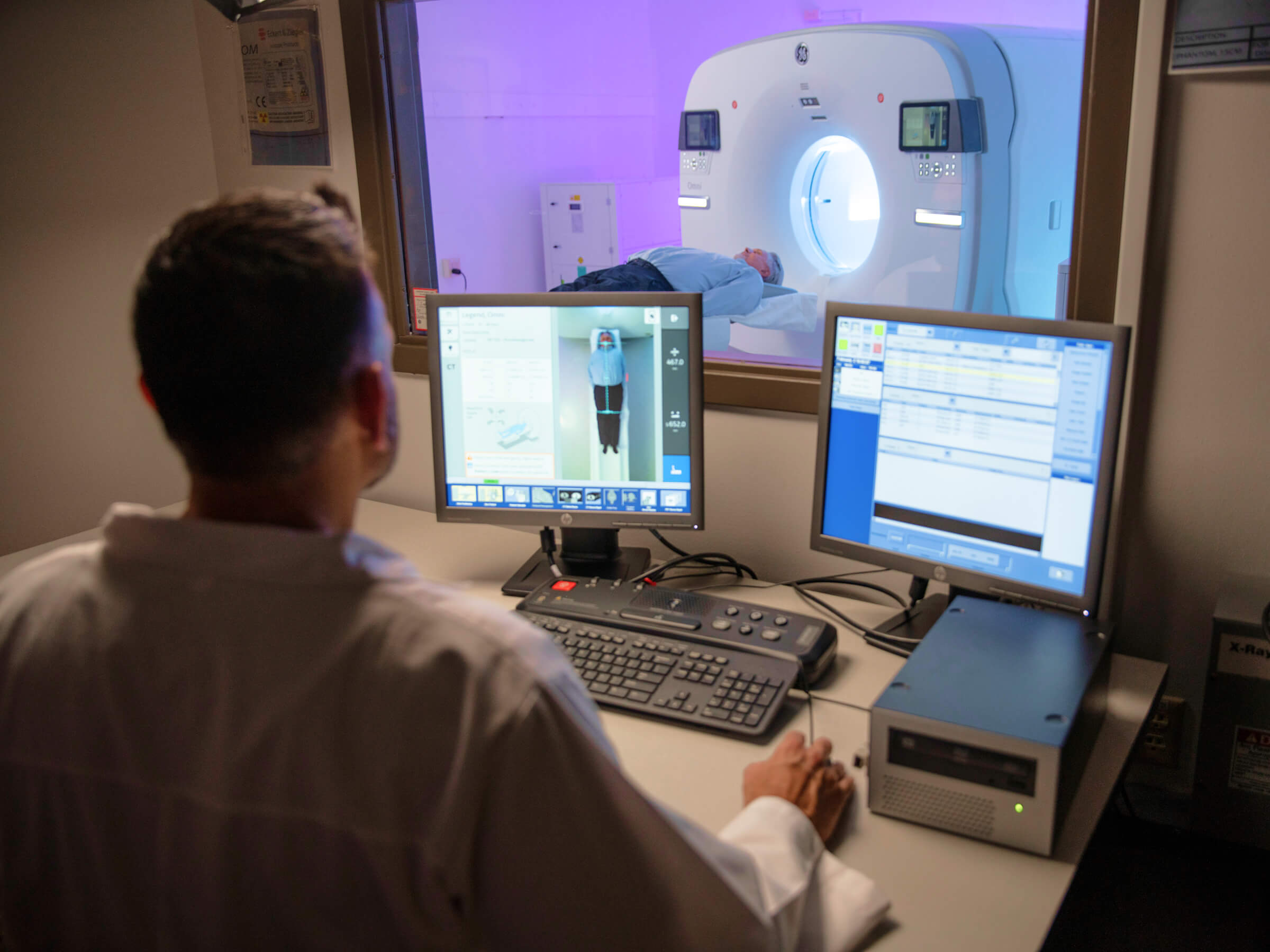
Advanced Testing to Evaluate Heart Health
Cardiovascular symptoms are not always straightforward. Chest discomfort, shortness of breath, dizziness, fatigue, heart palpitations, and circulation concerns can stem from a wide range of underlying heart conditions. At Florida Cardiovascular Partners, our team uses advanced cardiac diagnostics and imaging to better understand how your heart is functioning and to identify potential cardiovascular concerns as early as possible.
Diagnostic testing plays an important role in both prevention and treatment planning. Whether you have existing heart disease, elevated cardiovascular risk factors, or new symptoms that need evaluation, our cardiology team uses modern technology and clinical expertise to guide the next steps in your care. Many cardiac evaluations can be performed using noninvasive or minimally invasive diagnostic tools, helping patients gain important answers with greater convenience and comfort.
Evaluating Heart Function & Cardiovascular Risk
Cardiac testing helps physicians assess heart structure, blood flow, electrical activity, and overall cardiovascular performance. Depending on your symptoms, medical history, and risk factors, your care plan may include noninvasive testing designed to provide a clearer picture of your heart health.
Common Cardiac Tests & Imaging
Our diagnostic approach may include:
EKG testing to evaluate heart rhythm and electrical activity
Stress testing to assess how the heart performs during physical activity
CT calcium score testing to help evaluate plaque buildup and cardiovascular risk
Heart CT imaging for detailed views of cardiac structures and blood vessels
PET/CT imaging to evaluate blood flow, heart function, and certain cardiovascular conditions
Heart MRI imaging for advanced evaluation of heart anatomy and function
These tools help our cardiologists detect potential concerns, monitor existing conditions, and create more personalized treatment recommendations. Early cardiovascular evaluation can also help identify issues before more serious complications develop.
When Should You See a Cardiologist for Testing?
Cardiac testing may be recommended for patients experiencing symptoms such as chest pain, heart palpitations, dizziness, shortness of breath, fatigue, or unexplained swelling. Diagnostic evaluations can also play an important role for patients with high blood pressure, high cholesterol, diabetes, a family history of heart disease, or other cardiovascular risk factors. Preventive cardiac screening may help detect cardiovascular concerns earlier, sometimes before more serious symptoms or complications develop.
In some cases, testing is used proactively to assess heart health before symptoms develop. Advanced imaging and cardiovascular screening can help identify potential concerns earlier, allowing patients to better understand their risk and make informed decisions about treatment and lifestyle changes.