Understanding Chronic Venous Insufficiency
Chronic Venous Insufficiency (CVI) occurs when the veins in the legs have difficulty efficiently returning blood back toward the heart. This commonly happens when the valves inside the veins become weakened or damaged, allowing blood to pool in the lower extremities and increasing pressure within the veins over time.
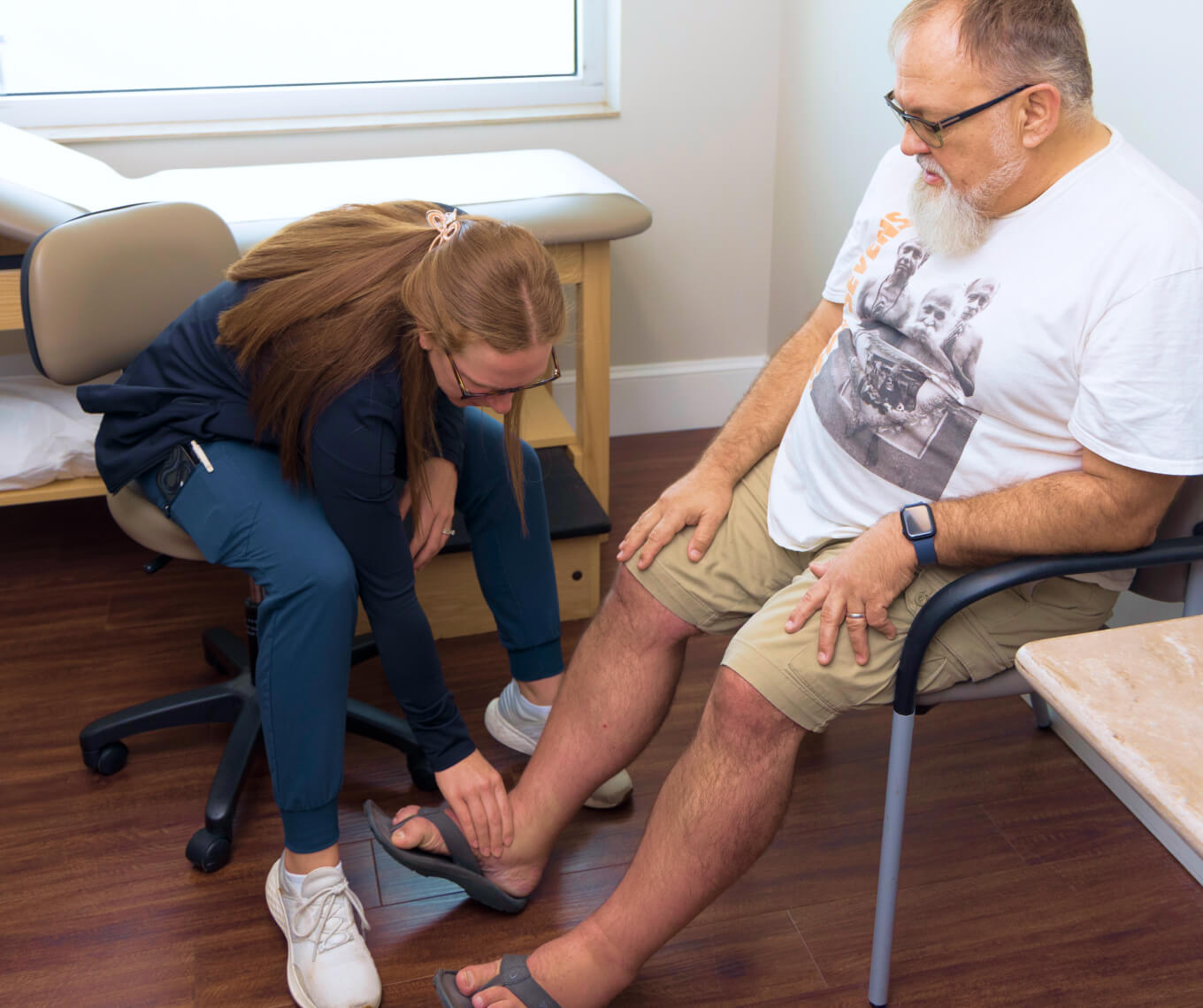
At Florida Cardiovascular Partners, our vein specialists diagnose and treat chronic venous insufficiency to help patients improve circulation, reduce discomfort, and support long-term vein health. Because CVI can gradually worsen without treatment, early evaluation and ongoing vein care are important parts of managing symptoms and preventing complications.
Symptoms of Chronic Venous Insufficiency
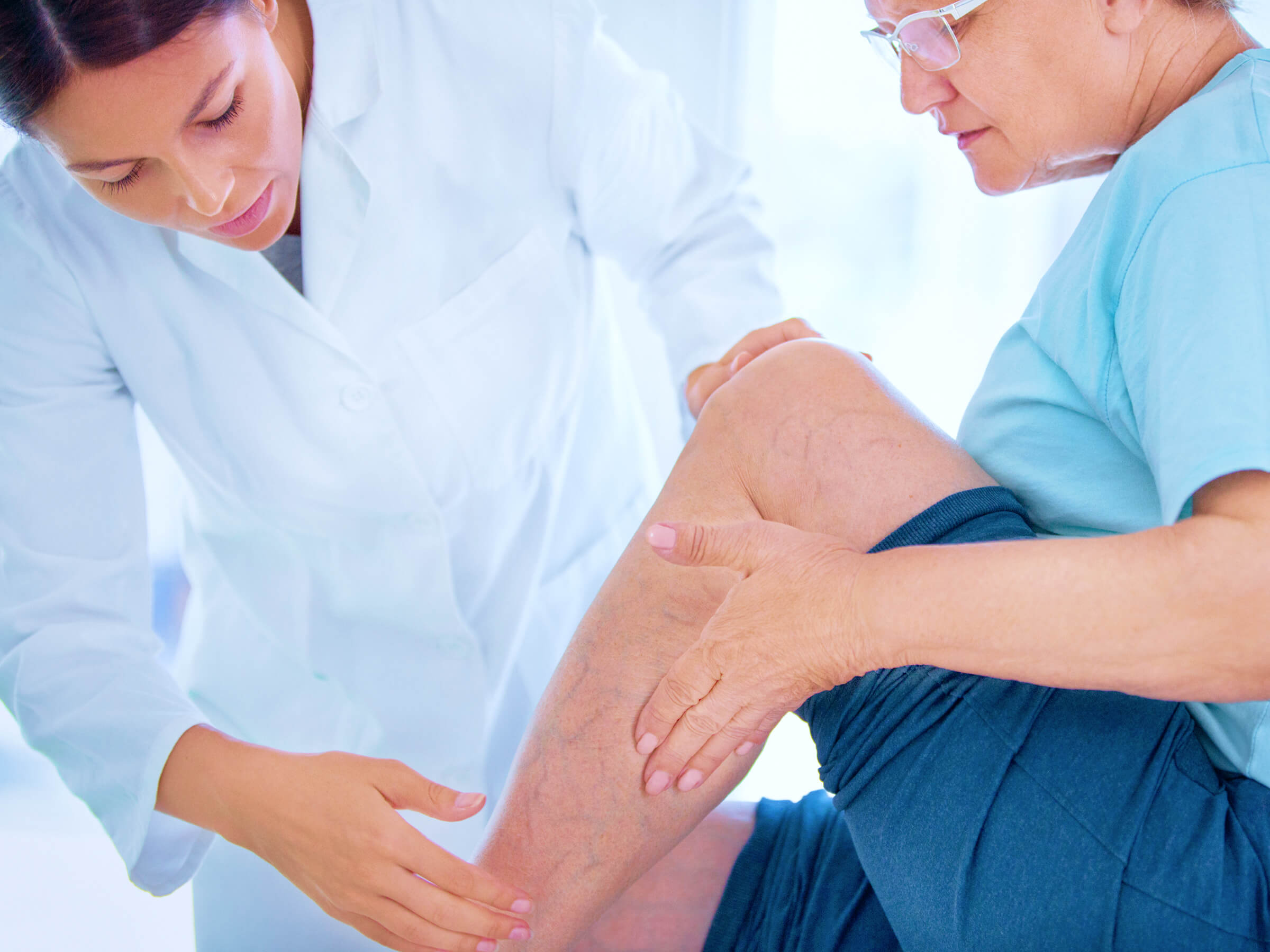
Symptoms of CVI can vary depending on the severity of the circulation problem and the extent of vein damage. Some patients experience mild discomfort, while others notice more persistent swelling, heaviness, or skin changes over time.
Common symptoms of chronic venous insufficiency may include:
Leg swelling, especially near the ankles
Aching, heaviness, or fatigue in the legs
Varicose veins
Cramping or throbbing discomfort
Skin discoloration or irritation
Itching near the affected veins
Slow-healing sores or ulcers in more advanced cases
Symptoms may worsen after long periods of standing or sitting and improve with leg elevation or movement.
What Causes CVI?
Chronic venous insufficiency develops when vein valves no longer function properly, making it more difficult for blood to move efficiently through the veins. As pressure builds within the veins, circulation problems can gradually become more noticeable.
Several factors may increase the risk of developing CVI, including aging, genetics, pregnancy, obesity, prolonged standing or sitting, prior blood clots, and other circulation-related conditions.
Chronic Venous Insufficiency Treatment Options
Treatment for CVI focuses on improving circulation, reducing symptoms, and helping prevent progression of vein disease over time. Depending on the severity of the condition, treatment may include compression therapy, lifestyle modifications, minimally invasive vein procedures, symptom management, or ongoing vascular monitoring.
Our vein specialists develop personalized treatment plans designed to support healthier circulation while improving comfort and overall quality of life.
Why Early CVI Treatment Matters
Without treatment, chronic venous insufficiency may continue to progress and contribute to worsening swelling, skin changes, discomfort, and more advanced vein complications. Early vein evaluation and proactive treatment may help patients better manage symptoms while supporting long-term vascular and vein health.