Understanding Varicose Veins
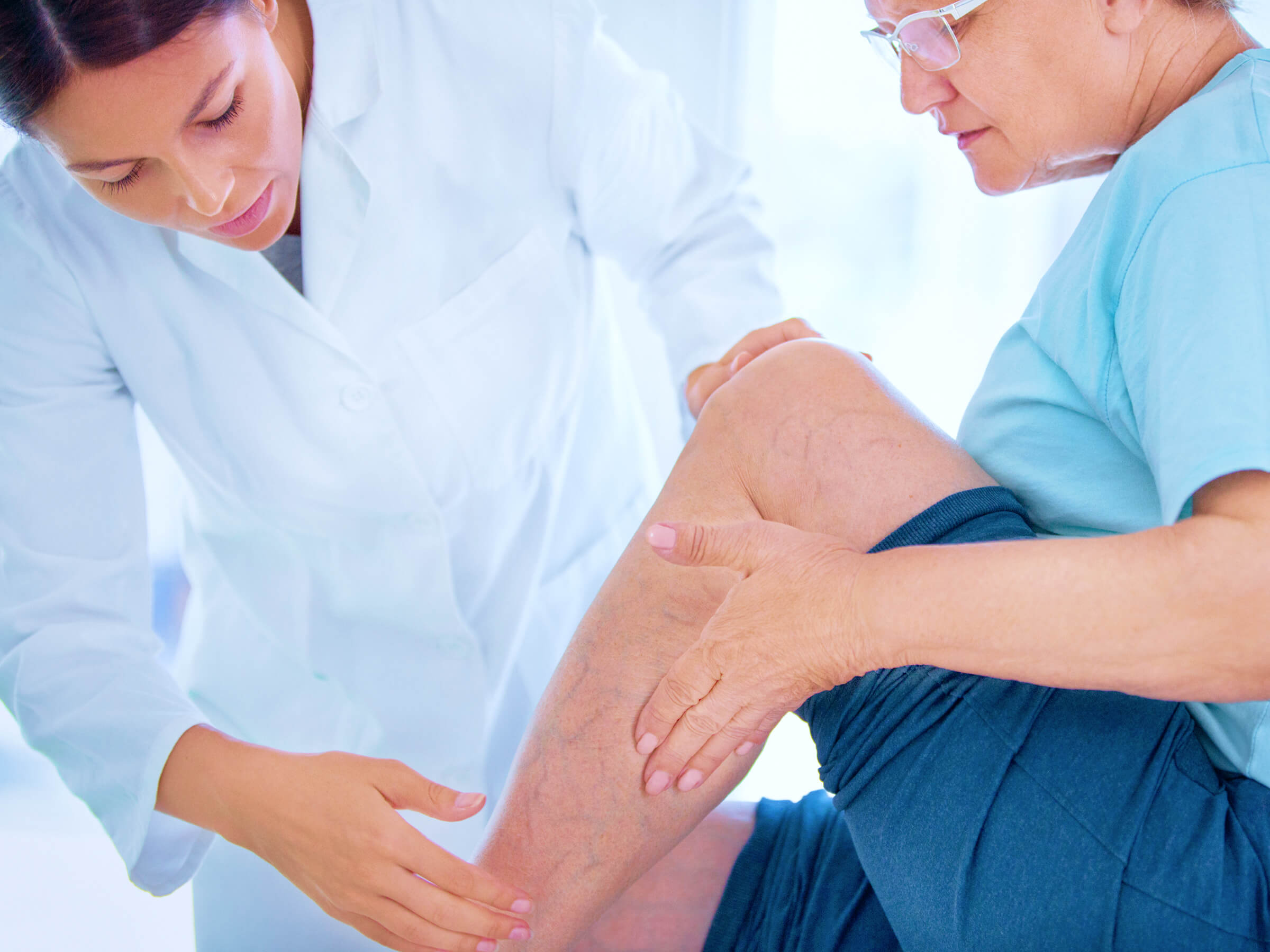
Varicose veins are enlarged, twisted veins that commonly develop in the legs and lower extremities when blood does not circulate through the veins as efficiently as it should. These visible veins may appear dark blue, purple, or bulging beneath the surface of the skin and can range from mild cosmetic concerns to more uncomfortable circulation-related symptoms.
At Florida Cardiovascular Partners, our vein specialists provide personalized varicose vein treatment designed to improve circulation, reduce discomfort, and support long-term vein health. Because vein conditions can gradually worsen over time, early evaluation and treatment may help patients better manage symptoms and improve daily comfort.
Symptoms of Varicose Veins
Varicose veins can affect patients differently depending on the severity of the condition and overall circulation. Some patients experience mild symptoms, while others notice increasing discomfort with prolonged standing or activity.
Common symptoms of varicose veins may include:
Bulging or enlarged veins in the legs
Aching, heaviness, or leg fatigue
Burning, throbbing, or cramping sensations
Swelling in the lower legs or ankles
Itching or skin irritation near the affected veins
Leg discomfort that worsens after standing for long periods
In some cases, untreated vein problems may contribute to more significant circulation concerns over time.
What Causes Varicose Veins?
Varicose veins typically develop when the valves inside the veins become weakened or damaged, making it more difficult for blood to flow efficiently back toward the heart. As blood begins to pool within the veins, pressure can increase and cause veins to enlarge over time.
Several factors may increase the risk of developing varicose veins, including genetics, aging, pregnancy, prolonged standing or sitting, obesity, and other circulation-related conditions.
Varicose Vein Treatment Options
Treatment for varicose veins focuses on improving circulation, reducing symptoms, and addressing problematic veins. Depending on the severity of the condition, treatment may include lifestyle recommendations, compression therapy, minimally invasive vein procedures, or ongoing vascular monitoring.
Our vein specialists develop individualized treatment plans designed to improve both comfort and circulation while helping patients better manage long-term vein health.
Why Early Vein Care Matters
Without treatment, varicose veins may continue to progress and contribute to worsening discomfort, swelling, skin changes, or additional vein complications over time. Early evaluation and proactive vein care may help improve circulation, reduce symptoms, and support healthier vascular function.