Understanding Spider Veins
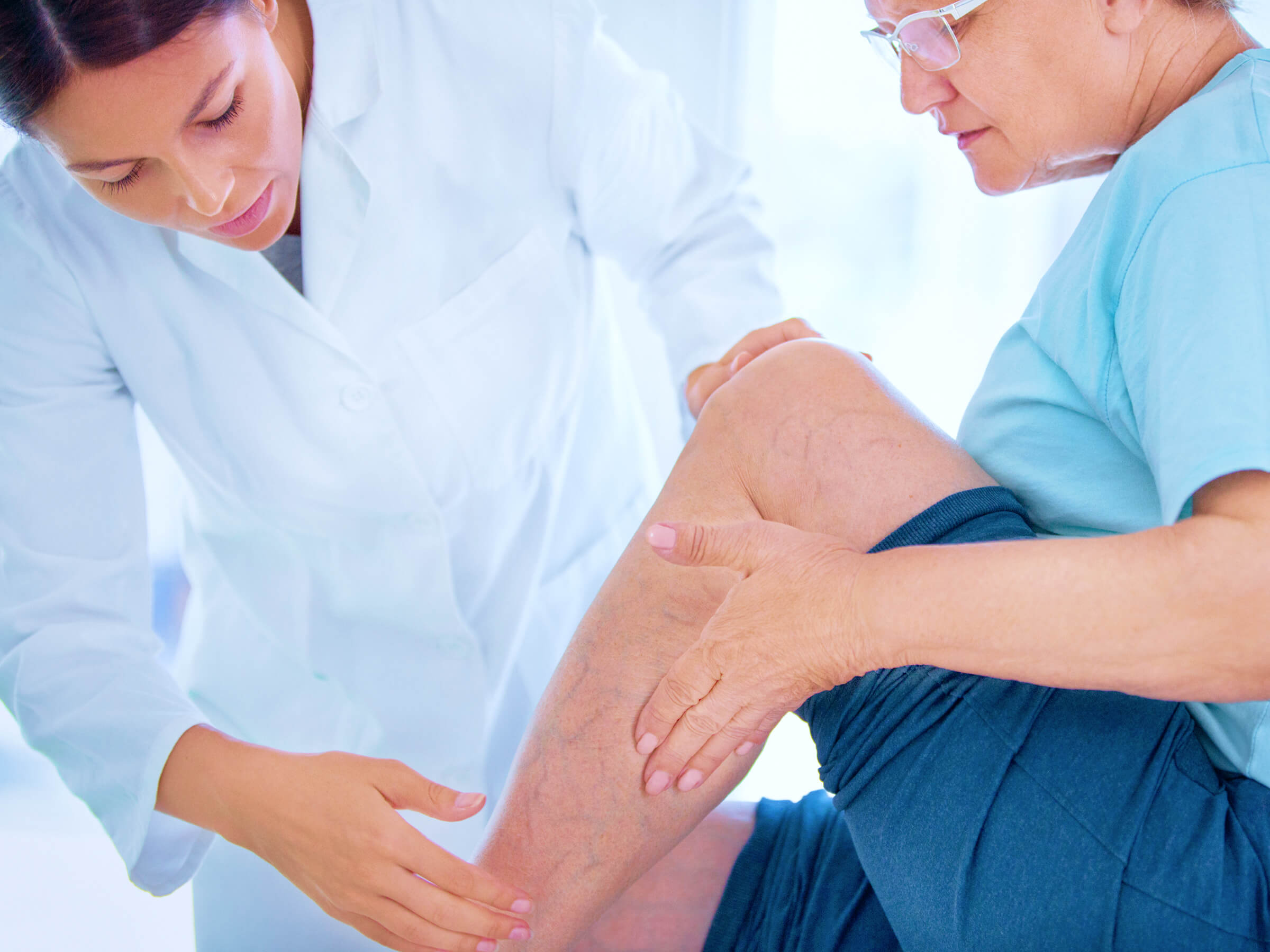
Spider veins are small, visible veins that commonly appear close to the surface of the skin, often on the legs or face. These veins may appear red, blue, or purple and typically form in thin, web-like patterns. While spider veins are often considered a cosmetic concern, they can also be associated with underlying circulation and vein health issues in some patients.
At Florida Cardiovascular Partners, our vein specialists provide personalized spider vein treatment designed to improve the appearance of visible veins while supporting healthy circulation and long-term vein health. Early evaluation can help determine the most appropriate treatment approach based on each patient’s symptoms, vein condition, and overall vascular health.
Symptoms & Appearance of Spider Veins
Spider veins are usually smaller and less raised than varicose veins, but they can still cause discomfort for some patients. In many cases, patients seek treatment because of visible vein changes, while others may experience mild circulation-related symptoms.
Spider veins may be associated with:
Thin red, blue, or purple veins near the skin’s surface
Web-like or branching vein patterns
Mild aching or burning sensations
Leg heaviness or fatigue
Itching or irritation near the affected veins
Because spider veins can gradually become more noticeable over time, some patients choose to pursue treatment earlier for both cosmetic and comfort-related reasons.
What Causes Spider Veins?
Spider veins develop when small veins near the surface of the skin become enlarged due to increased pressure or weakened vein function. Several factors may contribute to the development of spider veins, including genetics, aging, pregnancy, prolonged standing or sitting, hormonal changes, and circulation problems.
Patients with a family history of vein disease or other venous conditions may have an increased likelihood of developing spider veins over time.
Spider Vein Treatment Options
Spider vein treatment focuses on improving the appearance of visible veins while supporting healthier circulation and vein function. Depending on the location and severity of the veins, treatment may include minimally invasive vein procedures, lifestyle recommendations, compression therapy, or ongoing vein care management.
Our vein specialists create personalized treatment plans designed to address both cosmetic concerns and underlying vein health when appropriate.
Why Vein Evaluation Matters
Although spider veins are often harmless, they can sometimes be associated with broader venous circulation concerns. A vein evaluation may help identify underlying vein conditions and determine whether additional treatment or monitoring may be beneficial.
Early vein care may also help patients better manage symptoms and prevent vein concerns from progressing over time.