
Understanding Peripheral Artery Disease
Peripheral Artery Disease (PAD), sometimes referred to as Peripheral Vascular Disease (PVD), occurs when narrowed or blocked arteries reduce blood flow to the legs and other parts of the body. PAD most commonly develops as a result of plaque buildup within the arteries, which can limit circulation over time.
At Florida Cardiovascular Partners, our vascular specialists diagnose and treat PAD to help patients improve circulation, manage symptoms, and reduce the risk of more serious vascular complications. Because PAD can gradually worsen if left untreated, early evaluation and ongoing vascular care are important parts of protecting long-term health.
Symptoms of PAD & Poor Circulation
PAD symptoms can vary depending on the severity of reduced blood flow and the arteries involved. Some patients experience mild symptoms, while others may notice increasing discomfort with activity or changes in circulation over time.
Common symptoms of Peripheral Artery Disease may include:
Leg pain or cramping while walking
Heaviness or fatigue in the legs
Numbness or weakness in the lower extremities
Cold feet or lower legs
Slow-healing wounds on the legs or feet
Changes in skin color or circulation
Because PAD symptoms may develop gradually, some patients do not realize their circulation is being affected until the condition becomes more advanced.
Diagnosing Peripheral Vascular Disease
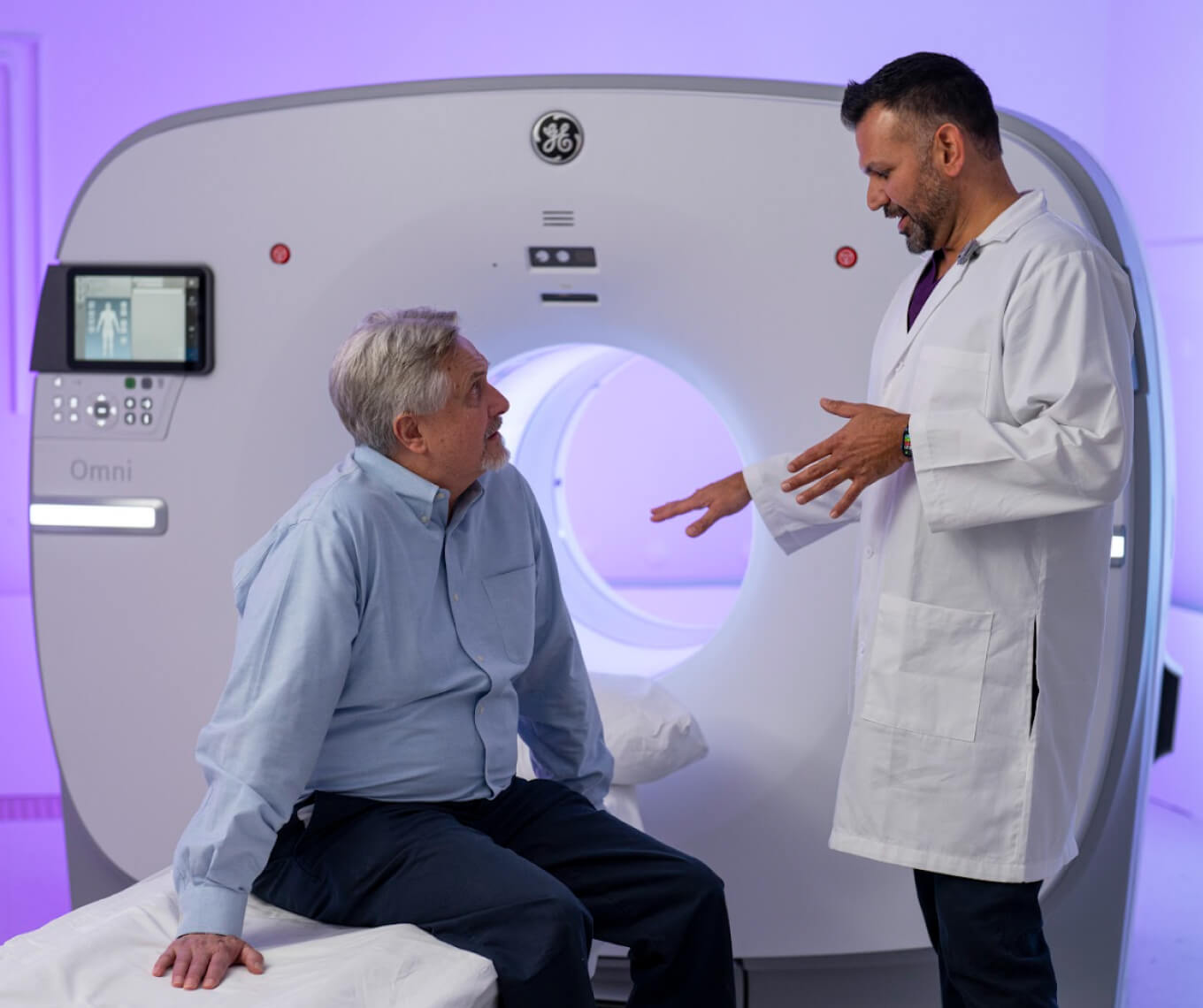
Diagnosing PAD typically involves a vascular evaluation, medical history review, physical examination, and circulation testing. Depending on a patient’s symptoms and risk factors, vascular imaging and noninvasive diagnostic testing may be recommended to better evaluate blood flow and identify narrowed or blocked arteries.
Patients with high blood pressure, diabetes, high cholesterol, smoking history, or existing cardiovascular disease may have a higher risk of developing PAD and other circulation problems.
PAD Treatment & Vascular Care
Treatment for PAD focuses on improving circulation, reducing symptoms, and lowering the risk of complications. Depending on the severity of the condition, treatment may include lifestyle modifications, medication management, supervised exercise programs, minimally invasive vascular procedures, or ongoing vascular monitoring.
Our vascular specialists work closely with patients to develop personalized treatment plans designed to support both vascular health and overall cardiovascular wellness.
Why Early PAD Treatment Matters
Without treatment, Peripheral Artery Disease can continue to progress and increase the risk of more serious circulation problems, chronic pain, nonhealing wounds, and other vascular complications. PAD may also be associated with an increased risk of heart attack and stroke.
Early diagnosis and proactive vascular care may help patients better manage symptoms, improve mobility, and protect long-term circulation and cardiovascular health.