Specialized Care for Heart Rhythm Conditions
Heart rhythm disorders can affect how quickly, slowly, or irregularly the heart beats, sometimes causing symptoms that interfere with daily life and overall cardiovascular health. At Florida Cardiovascular Partners, our electrophysiology team provides advanced evaluation and treatment for patients experiencing abnormal heart rhythms, also known as arrhythmias.
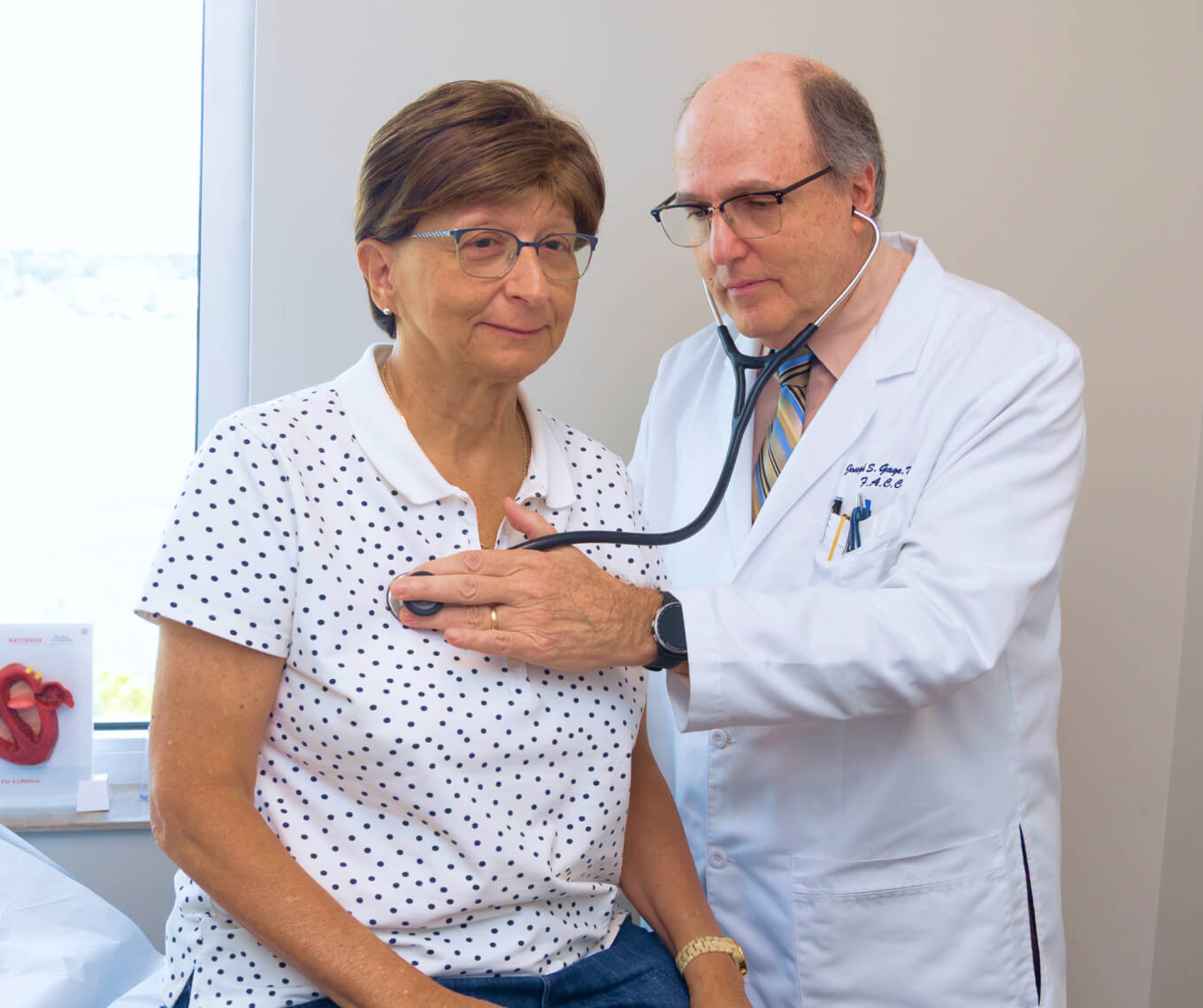
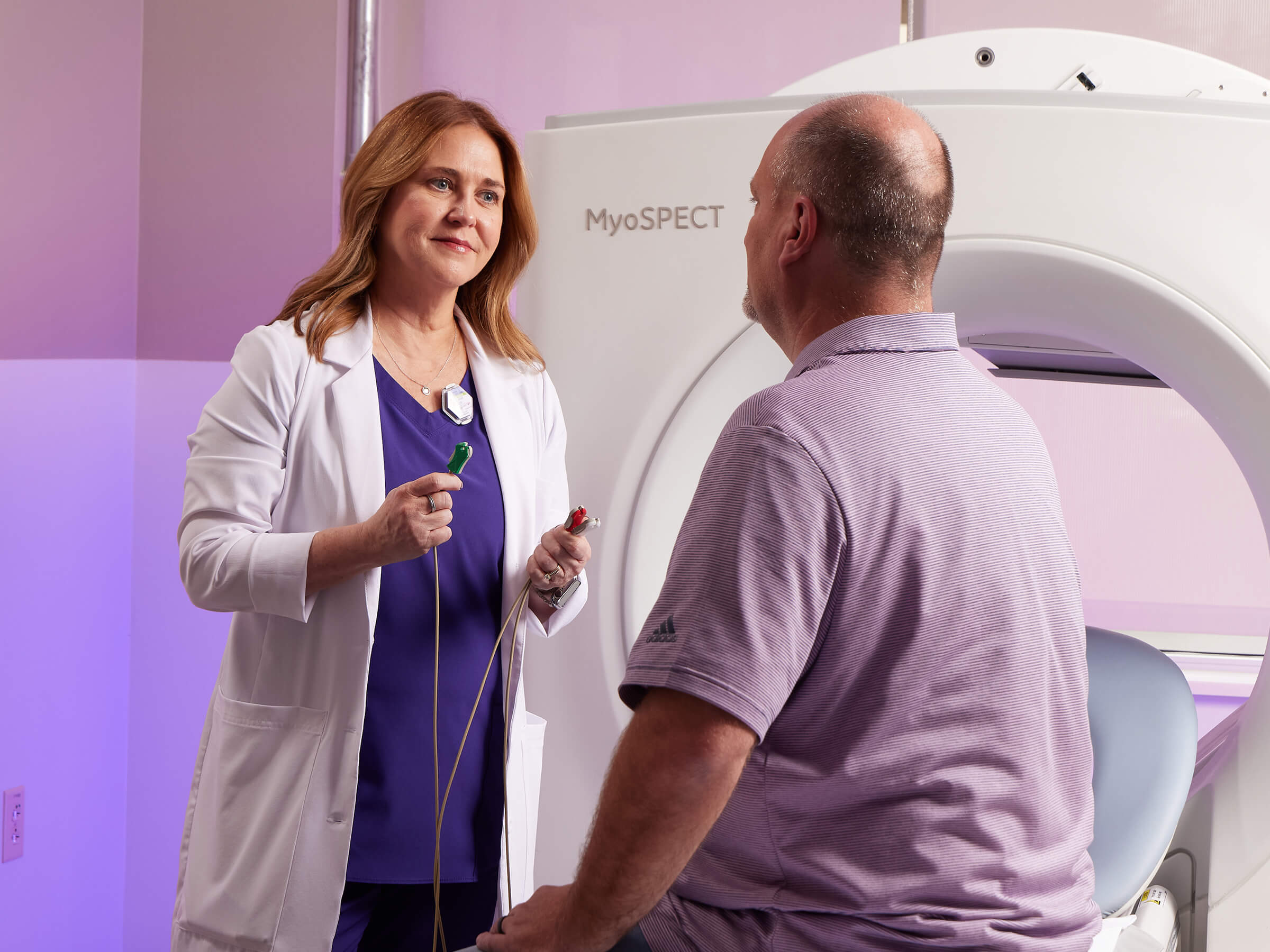
Our electrophysiologists and heart rhythm specialists diagnose and manage a wide range of rhythm disorders using advanced cardiac testing, monitoring technology, and individualized treatment planning. Whether symptoms are occasional or ongoing, early evaluation can help identify potential rhythm concerns and support more effective long-term heart care.
Understanding Arrhythmias & Heart Rhythm Disorders
Heart rhythm disorders occur when the electrical signals that control the heartbeat do not function properly. Some arrhythmias may cause noticeable symptoms, while others are discovered during routine cardiac evaluations or diagnostic testing.
Patients with heart rhythm conditions may experience:
Heart palpitations
Racing or irregular heartbeat
Dizziness or lightheadedness
Fatigue or weakness
Shortness of breath
Fainting or near-fainting episodes
One of the most common rhythm disorders is atrial fibrillation (AFib), which can increase the risk of stroke and other cardiovascular complications if left untreated. Our AFib doctors and electrophysiology team work closely with patients to evaluate symptoms, monitor heart rhythm activity, and develop personalized treatment plans.
When Should You See a Heart Rhythm Specialist?
Occasional changes in heart rhythm are not always serious, but persistent or worsening symptoms should be evaluated by a cardiology professional. Patients experiencing frequent palpitations, racing heartbeat episodes, unexplained dizziness, fainting, chest discomfort, or irregular heart rhythms may benefit from further evaluation by an electrophysiologist.
In some cases, arrhythmias may develop alongside other cardiovascular conditions or become more common with age. Early diagnosis and ongoing monitoring can help patients better manage symptoms while reducing the risk of potential complications.
Common Heart Rhythm Disorders
Electrophysiologists diagnose and manage a wide range of heart rhythm conditions, from occasional irregular heartbeats to more complex electrical disorders affecting heart function.
Atrial Fibrillation (AFib): AFib is one of the most common heart rhythm disorders and causes the upper chambers of the heart to beat irregularly. Symptoms may include palpitations, fatigue, dizziness, and shortness of breath.
Bradycardia: Bradycardia refers to a slower-than-normal heart rate, which may lead to fatigue, weakness, dizziness, or fainting in some patients.
Tachycardia: Tachycardia occurs when the heart beats too quickly, sometimes causing palpitations, chest discomfort, shortness of breath, or lightheadedness.
Heart Block & Electrical Conduction Disorders: Electrical conduction disorders can interfere with the heart’s normal signaling system and may require ongoing monitoring or treatment with pacemakers in certain cases.
Advanced Arrhythmia Treatment & Cardiac Monitoring
Treatment for heart rhythm disorders depends on the type and severity of the arrhythmia, as well as each patient’s symptoms and overall cardiovascular health. Arrhythmia treatment may include lifestyle modifications, medication management, long-term monitoring, minimally invasive procedures, or implantable cardiac devices when appropriate.
Our electrophysiology team also evaluates patients who may benefit from pacemakers and other cardiac rhythm management devices designed to help regulate heart function and improve symptom control. As pacemaker specialists, we provide ongoing monitoring and follow-up care to help patients maintain long-term cardiovascular stability.
Personalized Electrophysiology Care
Because heart rhythm disorders can affect patients differently, individualized care is an important part of effective treatment planning. Our heart rhythm specialists focus on identifying the underlying cause of arrhythmias while helping patients better manage symptoms, reduce complications, and improve quality of life.