Poor Circulation in Your Legs: When It Could Be Peripheral Artery Disease
Poor Circulation in Your Legs: When It Could Be Peripheral Artery Disease
Posted on September 18, 2026
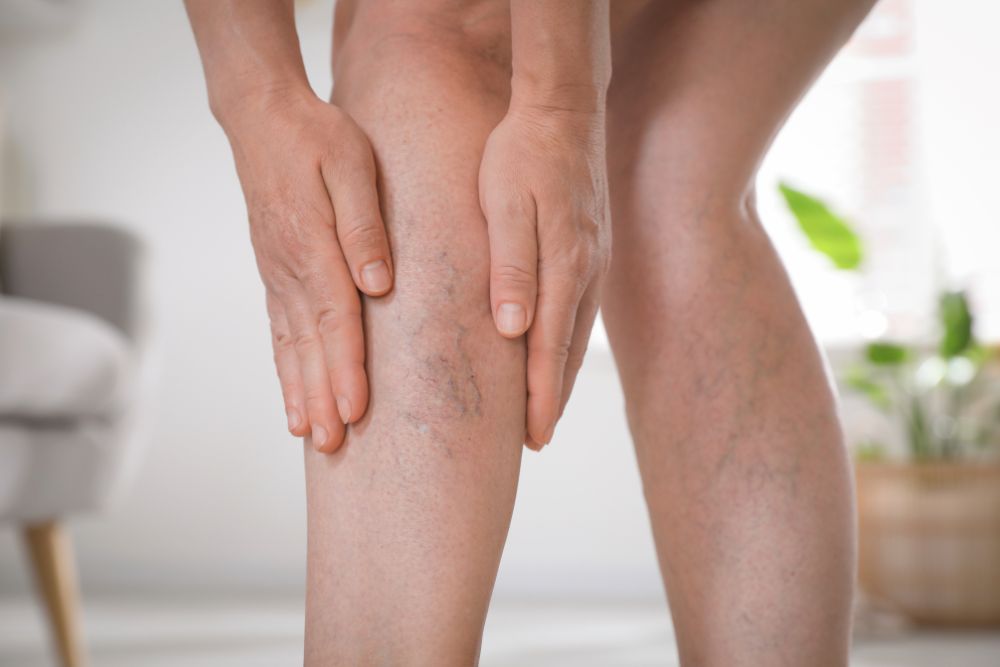
If you’ve ever experienced cold feet or numbness in your legs, it could be more than just a minor inconvenience. Poor circulation can signal peripheral artery disease (PAD), which occurs when arteries become narrowed, reducing blood flow to the limbs, particularly the legs. Reduced blood flow can cause symptoms ranging from leg pain during activity to nonhealing wounds in more severe cases.
Recognizing the Signs
PAD can cause a range of symptoms related to reduced blood flow in the legs. If you experience any of the following, talk with a healthcare clinician:
Leg pain or cramping: This often occurs during physical activities like walking or climbing stairs and usually subsides with rest.
Numbness or weakness: Many individuals report a feeling of weakness or numbness in their legs.
Coldness in the foot or lower leg: One leg feeling colder than the other could be a sign of reduced blood flow.
Skin and color changes: Affected limbs may appear pale or bluish.
Slow healing sores: If you notice that cuts or sores on your legs aren't healing as quickly as they should, this could be an indicator of underlying issues.
What Causes PAD?
PAD is often caused by atherosclerosis, a process where fatty deposits (plaque) build up in the artery walls, narrowing the arteries. Several risk factors can contribute to the development of atherosclerosis, including:
Smoking: A major risk factor for developing and worsening PAD.
Diabetes: Higher blood sugar levels can damage blood vessels over time.
High cholesterol: Elevated levels can contribute to plaque formation.
High blood pressure: High blood pressure can damage artery walls and contribute to atherosclerosis over time.
Increasing age: The risk of developing PAD generally increases with age.
The Importance of Early Intervention
PAD isn’t just a localized issue that affects only the legs. The presence of this condition is often indicative of atherosclerosis elsewhere in the body, which means your heart and brain may be at risk too. In fact, individuals with PAD face an increased likelihood of heart attack and stroke. This makes early detection and management crucial.
Managing and Treating PAD
PAD can often be managed with a combination of lifestyle changes, medications, and, when needed, procedures or surgery:
Lifestyle changes: Quitting smoking, adopting a healthier diet, and incorporating regular exercise can improve outcomes.
Antiplatelet medications: Medications such as aspirin or clopidogrel may be prescribed to help reduce the risk of heart attack, stroke, and other cardiovascular complications.
Procedures and surgery: For more severe PAD, procedures such as angioplasty or bypass surgery may be recommended to restore blood flow to the affected limb.
Prioritizing Heart Health
Peripheral artery disease can affect more than circulation in your legs and may be associated with a higher risk of serious cardiovascular complications. Recognizing the symptoms and getting evaluated can help you take steps to manage PAD and protect your overall cardiovascular health. At Florida Cardiovascular Partners, our experienced cardiologists and vascular specialists provide comprehensive, patient-centered heart and vascular care. Schedule a consultation today at one of our locations in Stuart,Port St. Lucie, Vero Beach, Sebastian,Jupiter, or Palm Beach Gardens.
Welcome to the Florida Cardiovascular Partners Blog! Nationally recognized for delivering exceptional cardiovascular care, our team is dedicated to empowering patients with the knowledge they need to take charge of their heart health.
From the latest advances in cardiovascular treatments to valuable insights on prevention, diagnosis, and everything in between, the Florida Cardiovascular Partners Blog is your trusted resource for all things heart health and wellness. Read on to learn more, and contact us today if you have any questions or want to schedule an appointment.